Material Design & Strategy
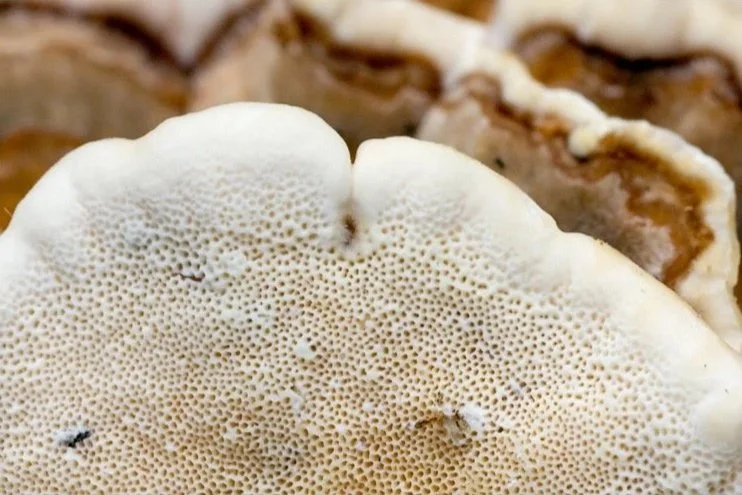
MycoWorks, a biomaterial company, created a fungal growing platform called “fine mycelium.” Their product, Reishi, is processed not unlike leather, but has very different qualities. Our objective was two-fold: to develop a strategy for introducing a leather-competitive material to the luxury market, and to educate designers on how to design with an entirely new material system.
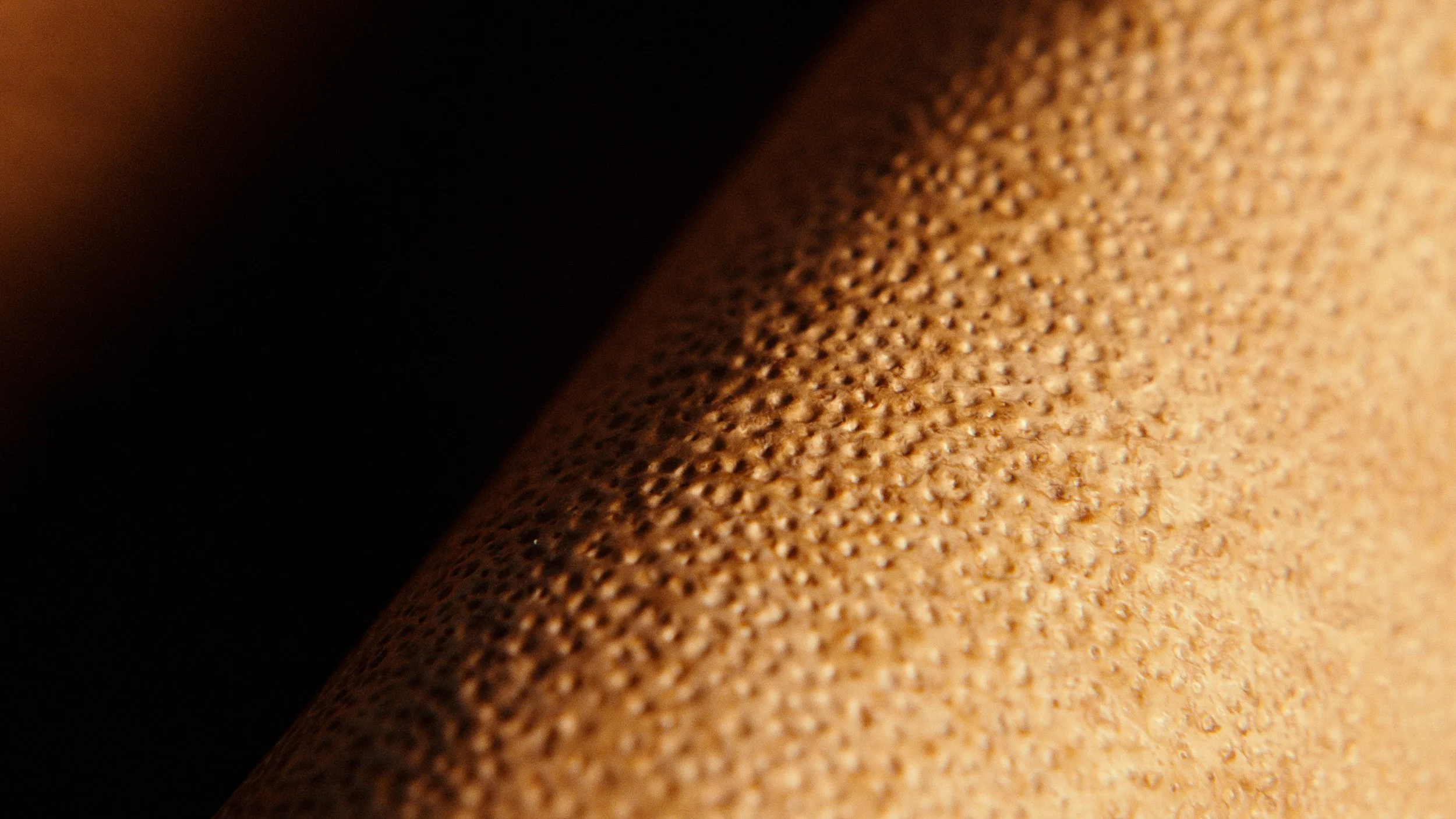
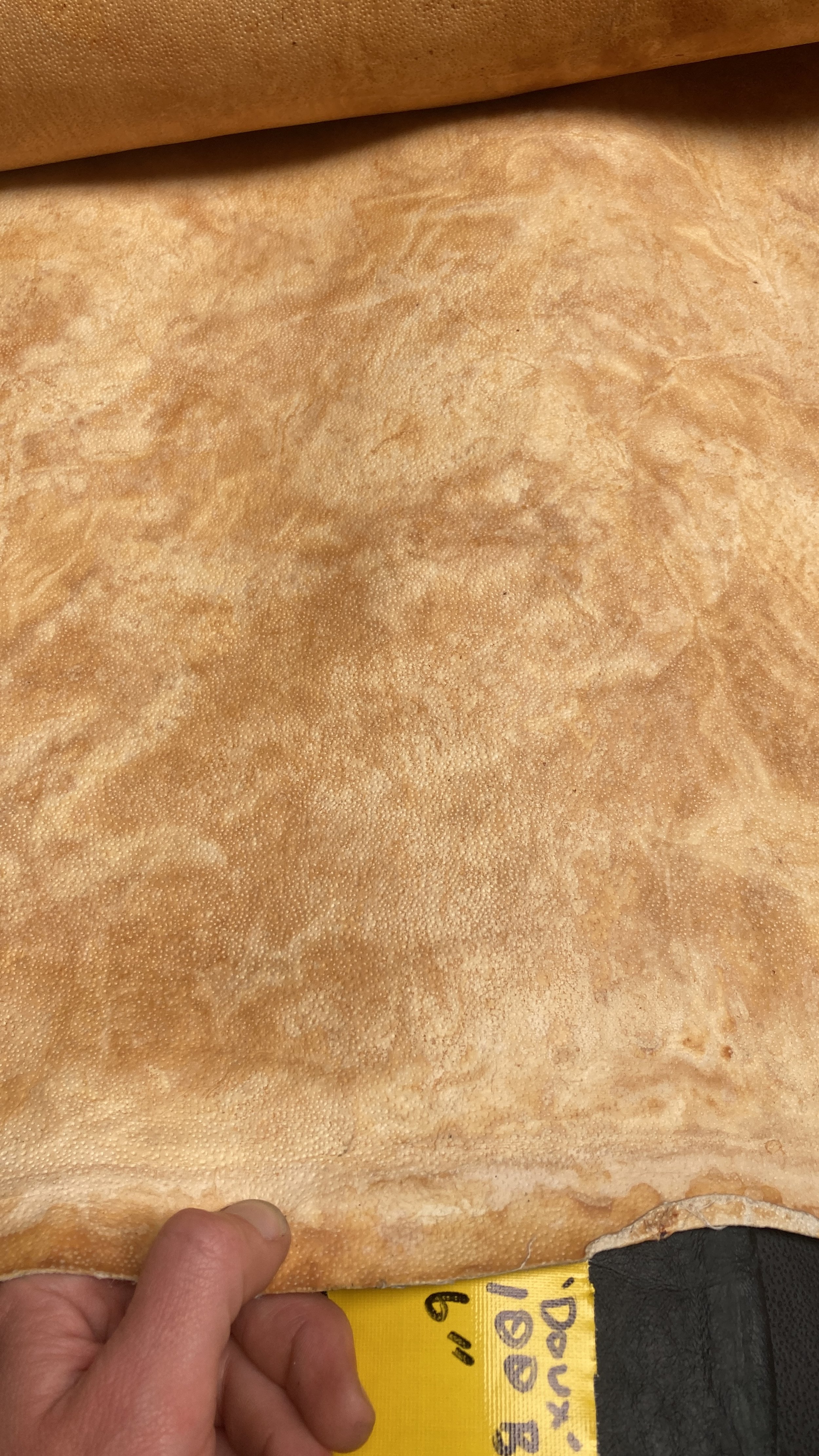
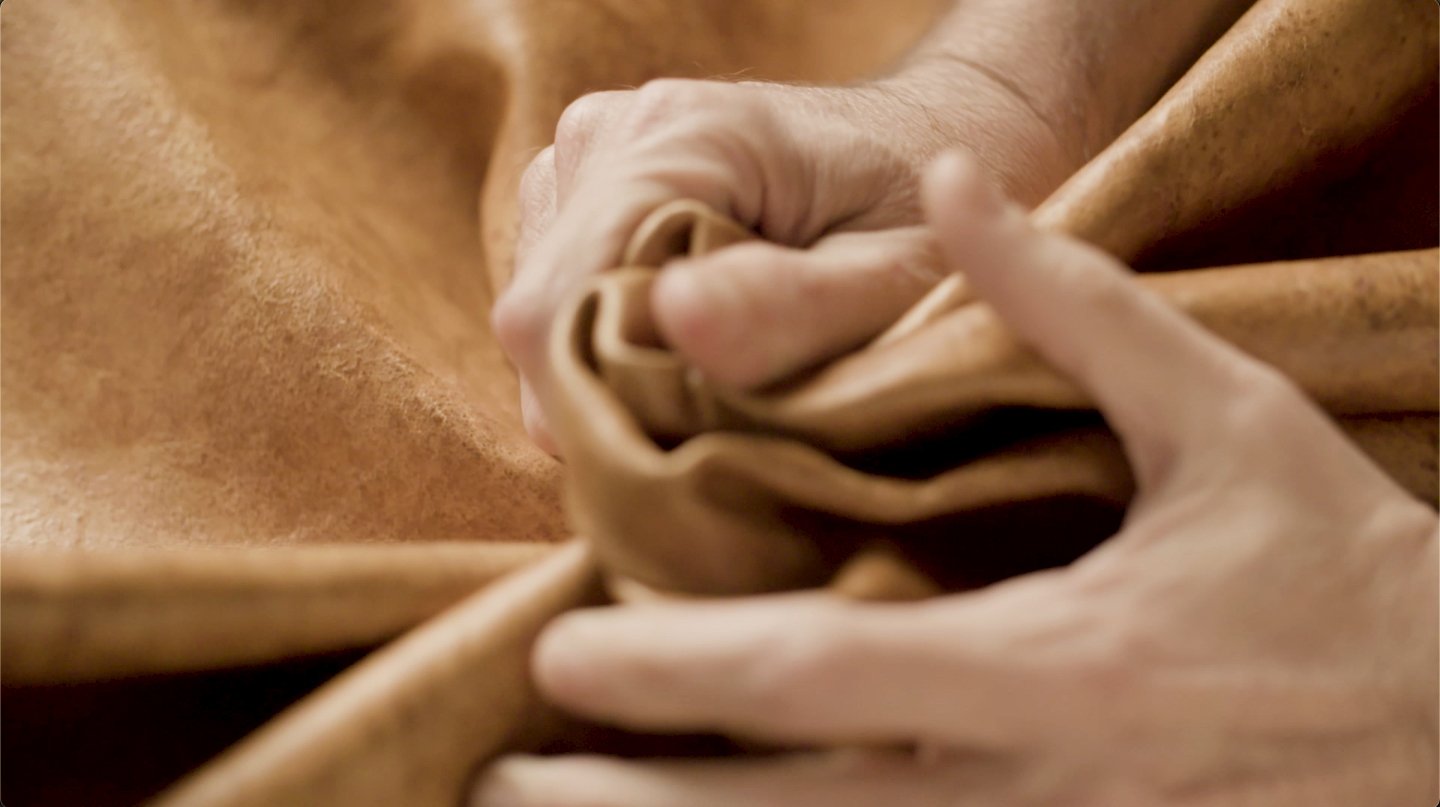
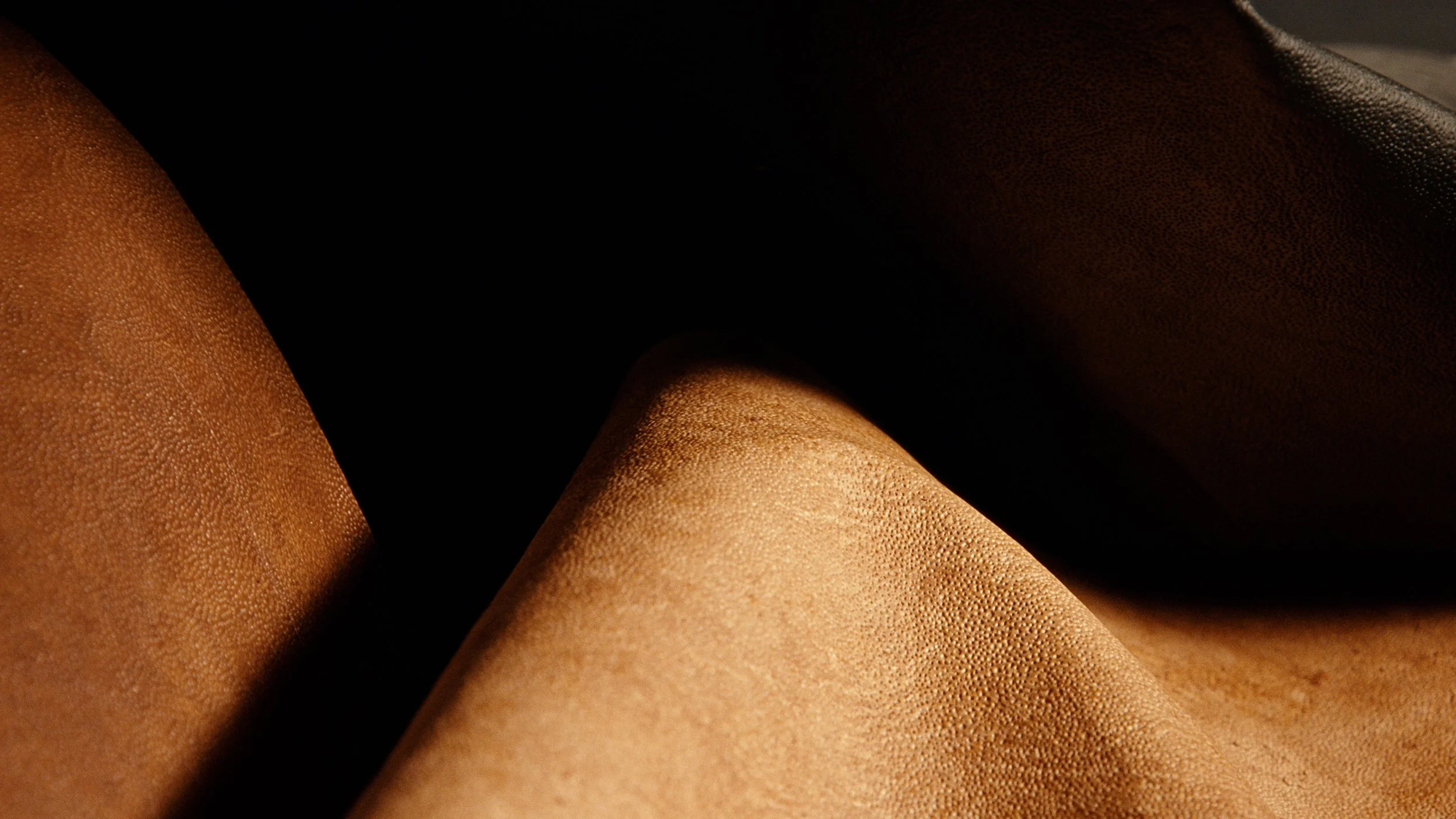
Early on, we learned that for the flagship material, Reishi, to resonate authentically, it could not be positioned as a substitute for leather. Instead, its success depended on embracing and celebrating the qualities that make it fundamentally different. To compete with leather, Reishi needed to stand as its own material category—not a derivative imitation. Thus we collaborated with tanning experts and leather finishers to enhance Reishi’s natural color, shape, texture, and hand-feel; resulting in a completely new and very rich material.
Designers and brands were most engaged when the conversation centered on Reishi’s inherent characteristics: its natural texture and variability, its tactility, even its scent. Once curiosity and excitement were anchored in these sensory and material qualities, partners became far more receptive to the ways Reishi diverged from leather in manufacturing considerations such as gluing, sewing, patterning, and durability. By reframing difference as value, we were able to shift both design expectations and brand perception of what a next-generation luxury material could be.
Reishi
A mycelium-based leather alternative
Client
MycoWorks